Thumb Sucking and a Child’s Smile: What Parents Should Know
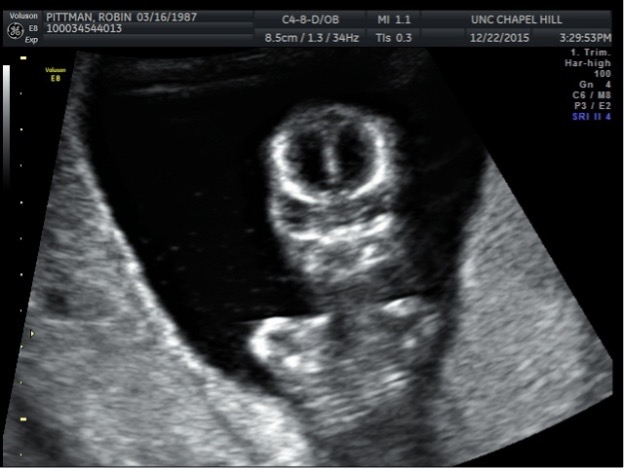
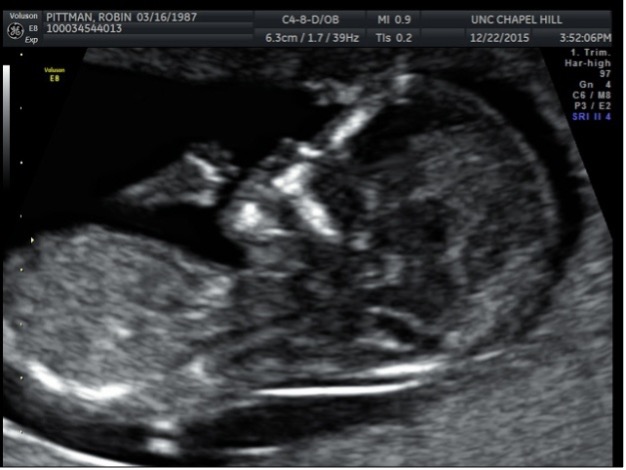
Within the first two months of marriage, my wife Robin and I discovered we were pregnant with our first child, Juna Rae. As newlyweds and new parents we were thrilled for our first ultrasound and at 13 weeks we learned two things. Our child looked like an alien and she had already found her thumb. I basked in the humanity of my tiny girl and that little nugget of information about her, while the orthodontist in me was already mentally resolving to address her thumb habit as soon as she made her grand entrance into the world.
However, like many first-time parents, I over-estimated the control I would have over my kid’s behavior and grossly under-estimated how tired we would be those first few months. When Juna refused a pacifier but found her thumb, and then slept for a glorious 4 hours, I quickly rethought my ‘no thumbsucking ever ever ever’ rule. Juna’s thumb became her primary self-soothing tool. She sucked her thumb when she was tired, sad, frustrated, anxious, shy, really any other emotion besides happy. She sucked her thumb to fall asleep at naps and bedtime. It seemed her thumb was in her mouth more than it was out.
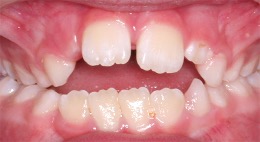
Fortunately, Robin and I are on the same page with our dislike of thumb sucking. Thumb sucking spreads germs and becomes a social issue as one gets older. Additionally there are significant dental and skeletal side effects. Thumbsucking causes flared and spaces maxillary incisors, crowded lower incisors, an anterior open bite and a narrow upper arch. These changes stem from the pressure of the thumb, as well as increased cheek pressure when sucking. As a result, the duration and intensity of the child’s sucking habit will determine whether dental problems develop, as well as their severity. Children who rest their thumbs passively in their mouths will have fewer side effects compared to those who vigorously suck their thumbs. Pacifiers have similar effects to thumbsucking although their use can be controlled more easily by parents.
Parents who have kids that suck their thumbs shouldn’t feel guilty. Sucking is a natural reflex for infants and it may make them feel happy or provide a sense of security, which can also help with sleep. Most kids naturally stop between the ages of two and four. As kids get older, peer pressure also helps motivate them to stop. Research shows the dental effects are temporary as long as the thumb habit stops before permanent teeth begin to erupt. When the habit stops, lip and cheek pressure typically restore the teeth to their usual position.
I recommend beginning to address thumb sucking or pacifiers around age 3 or 4 for many children if they don’t seem to be naturally losing the habit. The teeth will be restored to their usual position sooner. Also, it may help your child develop other coping mechanisms for falling asleep, managing anxiety and avoiding boredom. Here are a few things to keep in mind for parents who want to help their child stop sucking their thumb.
This is likely your child’s first habit and will be hard to break. Be empathetic and don’t expect it to be easy – this is a big deal to them!
Be your child’s partner. Avoid making the child feel bad about themselves or motivating by shame or guilt. Focus on praising them when they are not sucking their thumb versus scolding them when they are. Our darling Juna tended to defiantly suck her thumb even more when we focused on it. Reward children when they refrain from sucking during difficult periods.
Children often suck their thumbs when feeling insecure. As much as possible, attempt to correct the cause of the anxiety instead of the habit itself.
Your pediatrician, pediatric dentist or orthodontist can encourage your child to stop sucking their thumbs and explain what will happen if they continue. Reinforcement from an industry professional sometimes helps motivate a child.
Keep in mind addictions are contagious so siblings or friends that suck their thumbs may make it harder for your child to stop.
Books can be a great way to help motivate kids. I recommend the following three books.
Michael Dahl – Thumbs Up, Brown Bear
Stan Berenstain – The Berenstain Bears and the Bad Habit
Susan Heitler – David Decides About Thumbsucking: A Story for Children, a Guide for Parents
Try to combine positive and negative reinforcement, such as a sticker chart as a reward with bitter nail polish (Mavala) or glove (T-Guard or a taped sock) as a tool to block the habit. These tools work best on kids ages 3 and older. You are more likely to be successful in breaking the habit if the child wants to stop and has a tool that empowers them to succeed. After the habit has stopped, most kids will actually appreciate the negative reinforcement because it empowers them to stop their habit. Continue with the positive and negative reinforcement for at least a month after the habit has stopped. If the child has siblings that suck their thumbs you may need to continue longer.
If your child continues to suck their thumb when permanent teeth erupt they will likely need orthodontic treatment. However, the thumb habit must be addressed first. If home techniques mentioned above have not worked, I recommend a crib or habit appliance which can be placed as early as age 4 or 5. This appliance is glued to the top teeth and has metal bars that prevent the thumb from resting against the roof of the mouth. Once the habit is stopped, the patient may then need early orthodontic treatment to correct a posterior crossbite or severe overjet. Others can wait for orthodontic treatment when all permanent teeth erupt around age 12.
For me, it was hard to wait and hope for my child to stop sucking her thumb. When Juna was two the dental side effects of her thumbsucking habit were readily apparent. This was not a surprise seeing as she resorted to thumbsucking all night and during naps, as well as anytime she felt frustrated or bored. We also felt we needed to help her develop other coping mechanisms. This was confirmed at a preschool musical performance. She had talked about the show for weeks but then sucked her thumb most of the performance. At age 2.5 we attempted to address the thumb habit with the T-Guard glove. After a few challenging weeks with many tears and sleepless nights for everyone at the Pittman house we finally thought she had beat her habit! She liked wearing the gloves and was sleeping well. Our elation was short lived however. She began to regress on potty training. Then we found one morning she had figured out a way to get her thumb out of glove. We couldn’t make the glove any tighter without making it uncomfortable. Then she then got sick; as all parents know it’s hard to enforce the rules when your child doesn’t feel good. Unfortunately the habit returned even stronger than before. For our sanity, we took a break for 6 months.
When Juna turned 3 we felt she could be more personally motivated to stop. We decided to use a combination of a sticker chart and bitter nail polish. She loved princess stickers and thought the nail polish made her fingers look pretty and shiny. The first night she had a very hard time falling asleep but unlike before she didn’t cry. Robin and I were pleasantly surprised by her response! After a month of no thumbsucking we discontinued stickers and nail polish. She has continued to do well but still has an occasional relapse. Her little brother sucks his thumb which makes it hard. We are proud of her though! It’s hard to break any habit for people of all ages and she felt empowered in the process. It’s also been a helpful way to connect with her because she felt like we were on her team as we battled a bad habit. She feels like a big girl and is already telling her little brother why he needs to stop.
As you’re deciding how to respond to your kid’s thumb habit think through the following items:
What is the maturity of your child? Can they understand the reasons to stop sucking their thumb? Can they understand the reasons enough to be personally motivated?
Is this a good time to implement a big change in your kid’s life? Are you currently trying to make some other changes like potty training or transitioning to a toddler bed?
Is this a good time for your family to take on a stressful change? Expect less sleep and an irritable child for at least a few weeks.
Can you find a form of positive reinforcement that your child will be excited about? Sticker charts are great because they make the child feel empowered as they see all their stickers, but for your child adding a new ball or block to a collection may make them most excited. Think of something that can accrue rather than random rewards or treats.
Bitter nail polish, gloves and orthodontic appliances are three ways to prevent thumbsucking. These may feel somewhat barbaric but keep in mind they should serve as a reminder for your child since they already want to stop. Once they stop sucking their thumb they may actually like the glove or nail polish. If your child does not want to stop sucking their thumb, they will likely find a way around these barriers.
Bitter nail polish has a strong pepper flavor. It doesn’t affect taste until around age 3 when bitter taste buds develop. This option is the least cumbersome. Our daughter preferred this to the gloves because it made her nails shiny. However, it can affect the flavor of food if the child eats with their hands.
Gloves come in a variety of styles. Some parents have success with taping a sock to pajamas if they child only sucks their thumb at night. If your child also sucks their thumb during the day you probably will need to use either a thin cotton glove (which the child will be able to remove) or a thumbsucking specific glove such as the TGuard. Kids can write and function in gloves but it is more cumbersome than the nail polish. It must also be tight enough that it cannot be removed, but loose enough to not rub the skin raw. For small hands, this can be a tough balance.
The crib or habit appliance works great but is usually done as a last resort if other techniques haven’t worked. This appliance is usually fabricated by your pediatric dentist or orthodontist. These can be placed on primary second molars or permanent first molars. Kids need to be at least 4 years old to handle impressions and placement of the appliance.
No matter which direction you choose, do what works best for you and your family. Consistency is key, as well as lots of praise and encouragement. Best of luck moms and dads!
Proffit, W .R., Fields, H.W., Sarver, D.M. (2013). Contemporary Orthodontics 5th ed. (2013). St. Louis, MO: Elsevier.